La edición en español de esta pieza está en preparación.
Miami's source for art, luxury living & technologyEst. 2026
Tech
Thermal Demands of Mobile Integration
The Editors ·
The integration of Apple CarPlay and Android Auto into modern vehicle dashboards has fundamentally altered the driving experience by allowing users to access contacts, music, podcasts, and mapping applications directly from a phone. While these systems offer a streamlined interface compared to many factory infotainment setups, they place significant processing demands on the handheld device. The phone must manage standard cellular functions while simultaneously powering a large, tablet-like display and updating real-time maps.
This simultaneous workload often leads to rapid battery depletion and increased heat generation. A report this week notes that wireless connections, while convenient, place more stress on the hardware. Even wired connections present a thermal challenge, as the device is constantly charging while processing data. To mitigate this, users can set charge limits within the device settings or ensure the phone is kept in a cool, dark location within the vehicle.
For those utilizing wired connections, the use of airplane mode can further limit heat generation, though this requires that all necessary media and maps be downloaded in advance to ensure functionality without a cellular connection. This method also prevents incoming calls from reaching the device during transit.
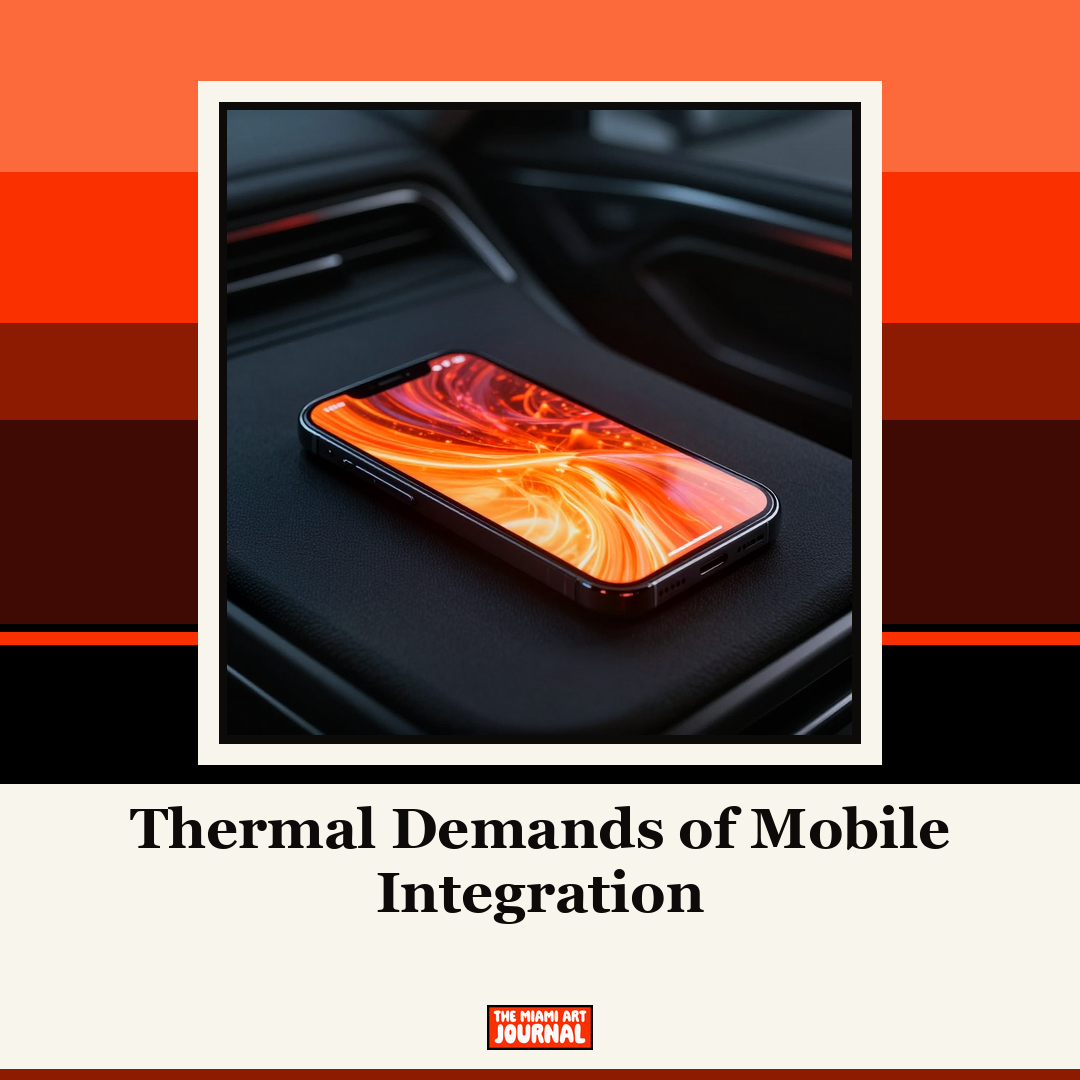
When using wireless Android Auto or CarPlay, the report suggests avoiding simultaneous charging, particularly on integrated wireless charging pads in the dashboard, as these can generate additional heat. Maintaining a balance between device temperature and battery life remains a primary consideration for those relying on these digital interfaces during long journeys.
El uso de Apple CarPlay y Android Auto en el vehículo puede sobrecalentar su teléfono si no se gestiona correctamente.
The Editors · October 26, 2026
La integración de Apple CarPlay y Android Auto en los tableros de los vehículos modernos ha transformado por completo la experiencia de conducción, al permitir que los usuarios accedan a contactos, música, podcasts y aplicaciones de mapas directamente desde su teléfono. Si bien estos sistemas ofrecen una interfaz más fluida en comparación con muchos sistemas de infoentretenimiento de fábrica, imponen una carga de procesamiento significativa al dispositivo móvil. El teléfono debe gestionar las funciones celulares estándar mientras, simultáneamente, alimenta una pantalla de gran tamaño similar a una tablet y actualiza mapas en tiempo real.
Esta carga de trabajo simultánea suele provocar un rápido agotamiento de la batería y un aumento en la generación de calor. Un informe de esta semana señala que las conexiones inalámbricas, aunque son muy convenientes, someten al hardware a un mayor estrés. Incluso las conexiones por cable presentan un desafío térmico, ya que el dispositivo está cargándose constantemente mientras procesa datos. Para mitigar esto, los usuarios pueden establecer límites de carga en los ajustes del dispositivo o asegurarse de mantener el teléfono en un lugar fresco y oscuro dentro del vehículo.
Para quienes utilizan conexiones por cable, el uso del modo avión puede ayudar a limitar aún más la generación de calor, aunque esto requiere que todos los contenidos multimedia y mapas necesarios se descarguen con antelación para garantizar su funcionamiento sin una conexión celular. Este método también evita que las llamadas entrantes lleguen al dispositivo durante el trayecto.
Al utilizar Android Auto o CarPlay de forma inalámbrica, el informe sugiere evitar la carga simultánea, particularmente en las bases de carga inalámbricas integradas en el tablero, ya que estas pueden generar calor adicional. Mantener un equilibrio entre la temperatura del dispositivo y la duración de la batería sigue siendo una consideración primordial para quienes dependen de estas interfaces digitales durante viajes largos.